Building in the Inner West
Building in the Inner West Takes More Than Construction Experience - It Takes Planning Discipline
Custom Home Builder Inner West
In the Inner West, the real challenges are often not the house itself but the context around it: heritage streetscapes, protected trees, narrow sites, constrained access, and council expectations around neighbourhood character.
Building in the Inner West means working in one of Sydney's most historically layered and tightly constrained urban environments. Whether the project is in Balmain, Leichhardt, Annandale, Ashfield, Petersham, Marrickville or Haberfield, the same pattern repeats: older housing stock, narrow streets, strong neighbourhood character, mature landscaping, and limited tolerance for poorly managed construction logistics.
At HAX Homes, the Inner West is treated as a planning-first environment. Getting the build right starts with understanding what must stay, what can change, and what council will expect from the design before construction ever begins.
Streetscape Comes First
Inner West Council's planning framework emphasises that good urban design should make a positive contribution to streetscapes and public spaces throughout the municipality. Council also maintains heritage conservation areas to recognise and preserve the distinctive character of neighbourhoods across the Inner West. [innerwest.nsw]
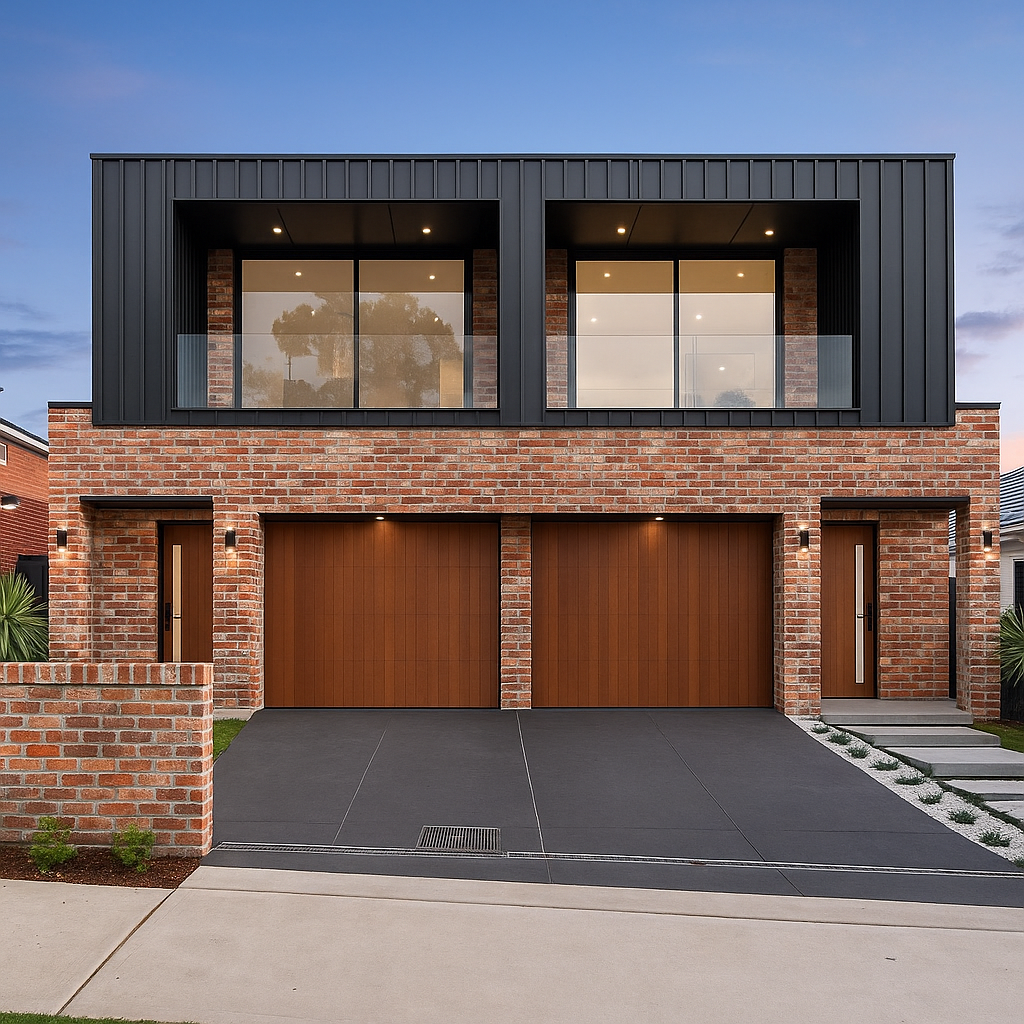
For homeowners, this means a proposal is not assessed only on what happens inside the lot boundary. The facade, roof form, materials, front setback treatment, landscaping, and how the home presents to the street all matter. A design that ignores the rhythm and scale of the surrounding streetscape is far more likely to trigger redesign, delay, and neighbour objection.
HAX Homes designs for the street as well as the floor plan, because in the Inner West those two things are inseparable.
Heritage Impact Is Often Central, Not Peripheral
Inner West Council provides specific guidance for development within heritage-listed sites and conservation areas, reflecting how central heritage is to the assessment process in this LGA. In practice, that means even relatively modest additions can require the design team to justify how the proposal respects the significance and character of the existing building and surrounding area.innerwest.nsw+1
This has direct implications for custom homes, alterations, and major additions:
Demolition and replacement can be heavily constrained in character streets
Materials, windows, roof form, and front elevations must often be more carefully resolved than on a greenfield site
A heritage impact statement may become a critical document for supporting the DA in the right context. [townplanningcollective]
At HAX Homes, heritage is not treated as a box to tick late in the process. It is incorporated into the design brief from the beginning so the proposal can move through council with a stronger planning case.
Trees That Must Stay Can Shape the Entire Build
The Inner West is also a tree-sensitive environment. Council maintains a heritage tree list identifying protected heritage trees within the municipality [Inner West Council Heritage March 2020], and its broader planning and public works material reflects the importance of tree management in streets and public spaces [Inner West Council Footpaths].
For many sites, that means existing trees are not just landscape features — they are planning constraints that can affect:
Building footprint and setbacks
Driveway location and vehicle access
Excavation methods near root zones
Stormwater layout and levels
Crane and delivery logistics during construction
A builder who does not account for retained trees early can end up redesigning footing systems, access routes, or site protection measures later. HAX Homes considers trees at concept stage so the design works around what needs to remain.
Traffic and Logistics Can Make or Break an Inner West Build
Even a straightforward home build becomes operationally complex in the Inner West. Narrow roads, terrace-lined streets, permit-controlled parking, school traffic, bus routes, and limited on-site storage all affect the cost and sequencing of the build. Heavy deliveries, concrete pours, skip bins, and pump trucks often need precise timing to avoid disruption and non-compliance.
This is where many tenders are misleading. If traffic control, booking coordination, neighbour communication, road occupancy permits, and delivery staging are not properly priced from the beginning, the contract value can look competitive while the real construction cost is still hiding in the background.
HAX Homes plans Inner West logistics up front, because programme control in these suburbs is just as important as good carpentry.
Building for Character, Not Against It
The strongest Inner West projects are the ones that feel as though they belong. That does not mean copying old architecture or avoiding contemporary design. It means understanding scale, proportion, materiality, landscape, and how a home contributes to the public realm.
At HAX Homes, the result is a more disciplined process: streetscape-led design, early heritage thinking, tree-aware site planning, and realistic logistics pricing. In the Inner West, that is what protects both approval outcomes and budgets.
View Our Portfolio