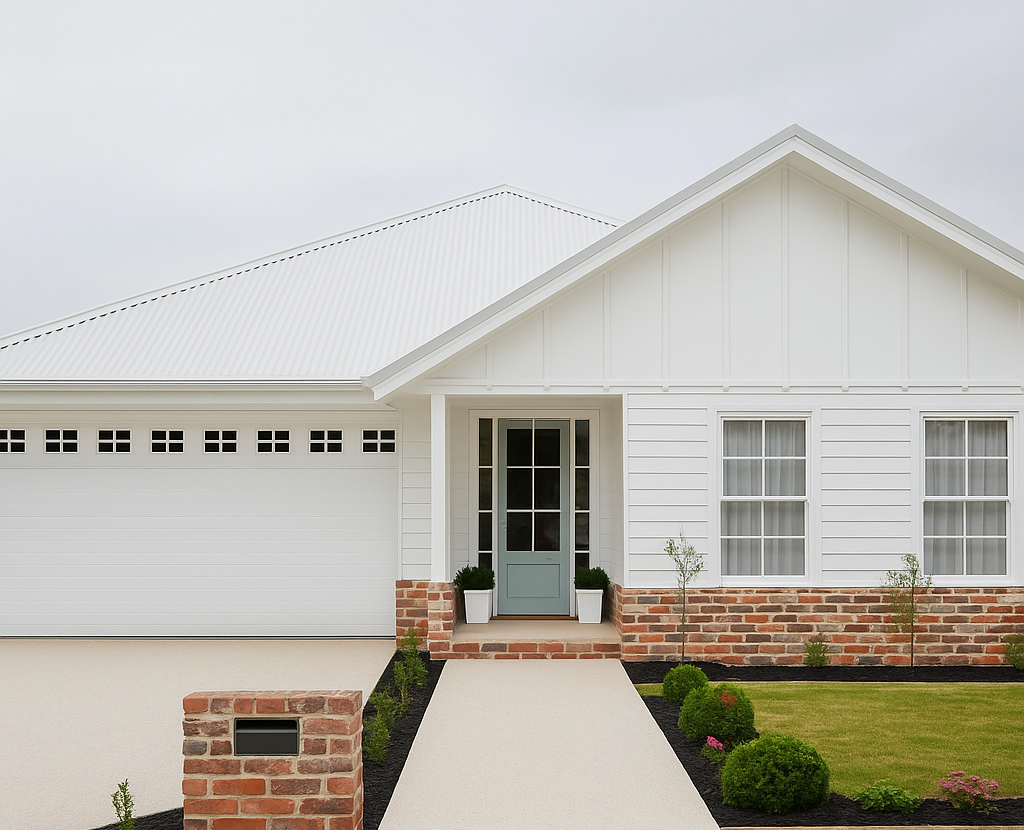
Building in Wilton
Building in Wilton Requires More Than a Great Floorplan- It Requires Full Control of Developer and Site Constraints
Custom Home Builder Wilton
From the rural surrounds to the newly built estates - understanding the area is what SEPARATES hax homes from the ordinary.
Wilton is one of South-West Sydney's biggest growth fronts, but masterplanned estates come with strict developer controls, DRC approvals, and site-specific requirements that need to be built into your design and tender from the very beginning.
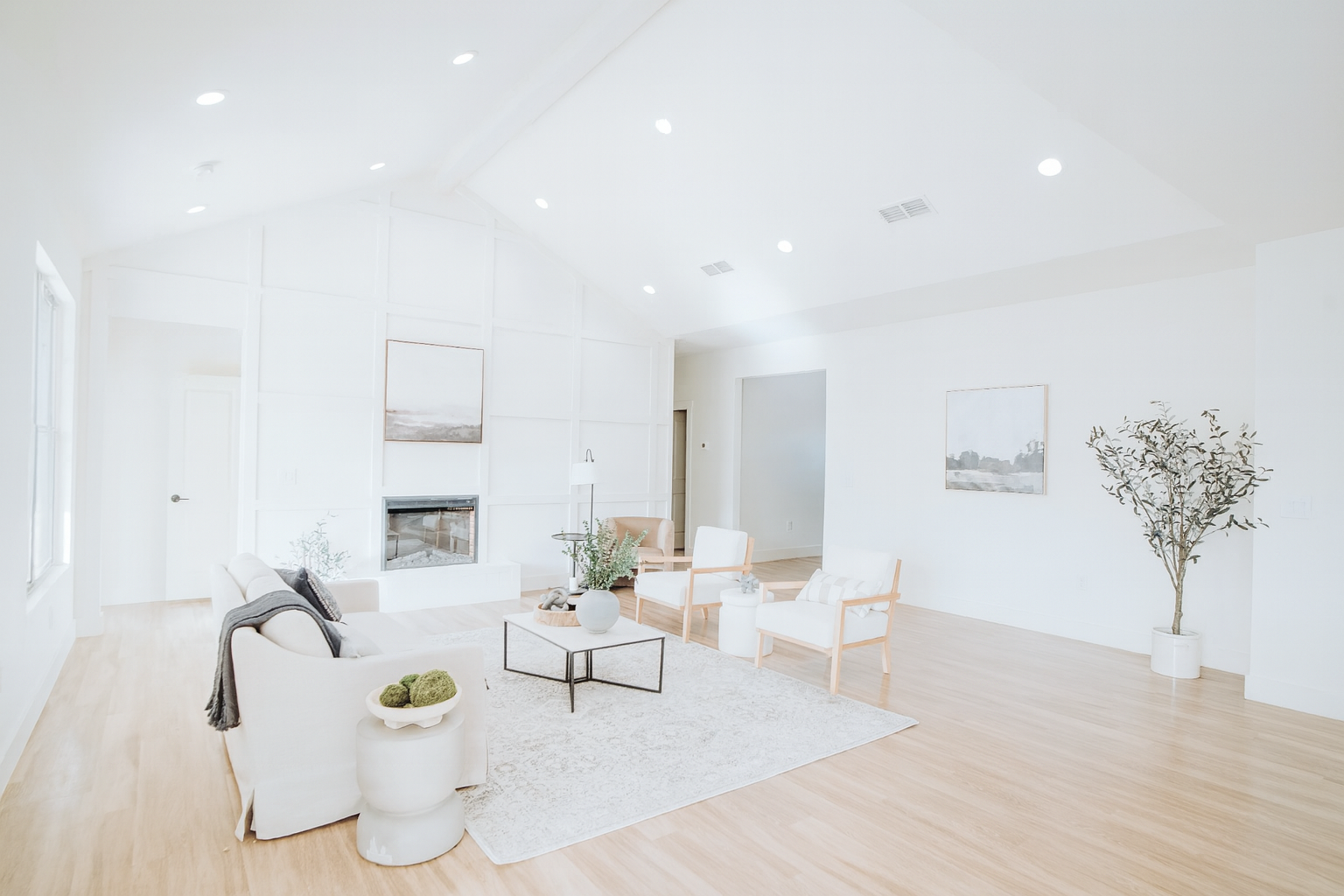
Why Building in Wilton Is Different
Wilton offers a rare combination of new-community convenience and a semi-rural landscape setting. But unlike a standard infill block, many Wilton estates are governed not only by council planning controls, but also by detailed developer design guidelines. That means your build must satisfy more than one approval pathway before construction begins.
At HAX Homes, we understand that building in Wilton is not simply about drawing a house that fits the lot. It is about designing a home that complies with Wollondilly's planning framework, fits the estate's design language, and avoids costly redesigns once the approval process starts.
Developer Design Review: The Step Many Builders Underestimate
In estates such as Wilton Greens, all house designs and building works — including fencing, retaining walls, landscaping and outbuildings — must be approved by the estate's Design Review Committee before submitting to Wollondilly Shire Council. The Wilton Greens guidelines make clear that DRC approval is separate from Development Consent, and that owners and builders remain responsible for complying with all statutory requirements. [wiltongreens DG]
This matters because many builders price a job as though council approval is the only approval that matters. In Wilton, that can be a mistake. If the developer requires plan amendments after tender acceptance, the client can lose time, money, and momentum before the build even starts.
At HAX Homes, this is handled up front. The design is assessed against the estate rules before it becomes a construction problem.
Estate Controls Shape the Design
Developer controls in Wilton are detailed and practical, not cosmetic. Wilton Greens requires only one dwelling per allotment, prohibits further subdivision unless otherwise approved, restricts dual occupancy, and requires construction to commence within 18 months of settlement and be completed within 18 months of commencement. The same guidelines also require driveway and boundary fencing completion before move-in and landscaping within 120 days of the Occupation Certificate. [wiltongreens DG]
These are exactly the kinds of requirements that need to be reflected in the building program and tender scope. If they are missed, clients often think they are comparing like-for-like quotes when they are not.
HAX Homes allows for these obligations early so the true cost of compliance is visible from the start.
Sloping Lots, Retaining and Site Layout
Wilton's terrain is not flat across the board, and the estate guidelines expressly require homes to respond to site slope through split-level design and drop-edge beams to reduce excessive retaining walls. The same guidelines limit elevated entries, control the placement of retaining walls, and require retaining walls in front setbacks to be constructed in masonry or sandstone to match the home rather than plain concrete block, sleepers, or timber.
This is a major cost and design issue. Builders who treat retaining and level changes as secondary site works often underquote the job and then seek variations later. A proper Wilton build needs the architecture, engineering, and site response coordinated together.
At HAX Homes, the site layout is resolved before tender finalisation so retaining, levels, drainage, and presentation are built into the contract rather than discovered during construction.
Streetscape, Facades and Estate Presentation
Wilton's developer guidelines place strong emphasis on street presentation. Wilton Greens requires facade differentiation so the same facade is not repeated within two adjacent lots or directly opposite, mandates visible habitable-room windows to the street, prohibits blank or under-articulated public elevations, and sets rules around roof form, eaves, glazing, garage presentation, materials, and colours. Corner lots and prominent lots must also address both street frontages and avoid blank walls. [wiltongreens DG].
This is where builder experience matters. A home can satisfy your room list and still fail estate review because its frontage does not contribute properly to the streetscape. HAX Homes designs Wilton homes to pass both practical and visual scrutiny — because in a masterplanned community, the streetscape is part of the value of the home.
Energy Efficiency Starts at Siting
The Wilton Greens guidelines specifically encourage siting that optimises solar access to living areas and private open space, places living zones on the north or east side where possible, and uses correct orientation to reduce energy costs in winter and summer. They also encourage larger windows to the north or east for passive solar heating and call for roof and paving selections that improve summer thermal performance. [wiltongreens DG]
That means energy efficiency is not just a NatHERS exercise at the end. In Wilton, smart siting and facade design can reduce the need for more expensive late-stage upgrades. HAX Homes addresses this at concept stage, so compliance and comfort work together.
View Our Portfolio