
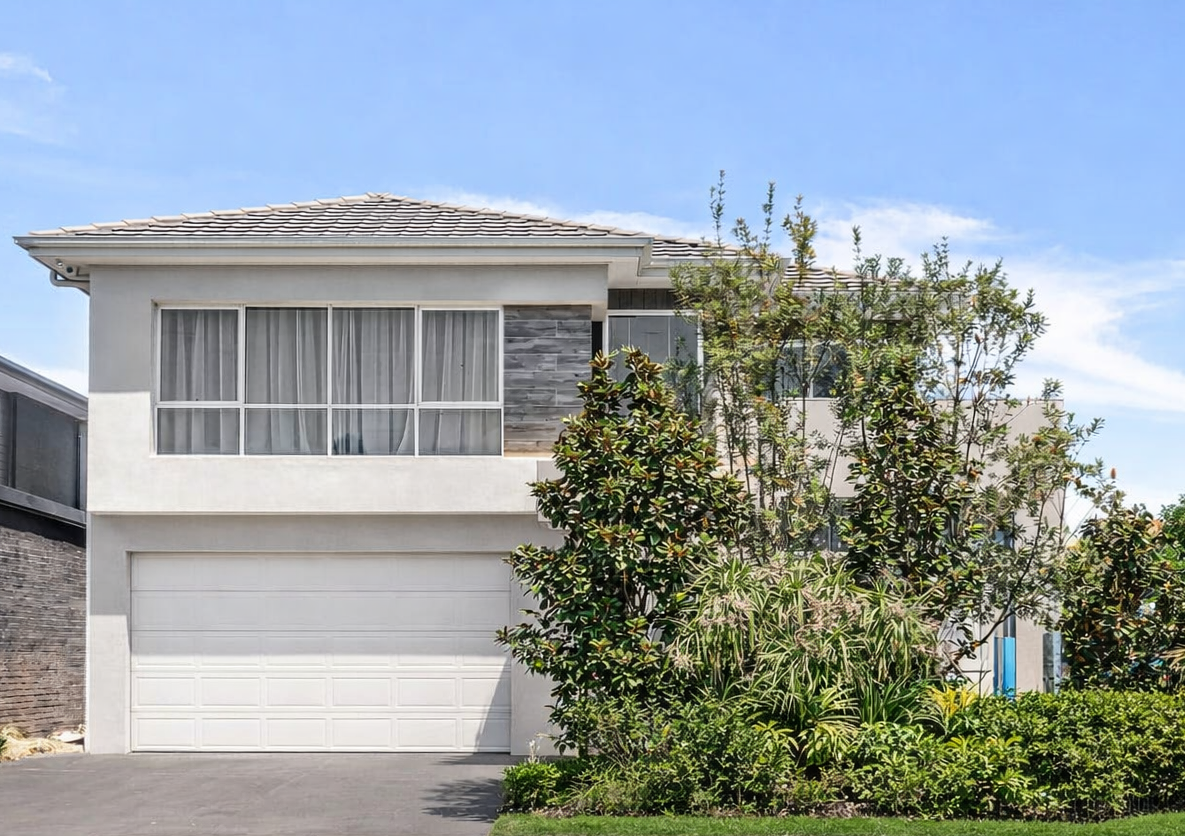
Building in the Sutherland Shire
Building Smart in the Shire - HAX Homes Understands What the Ground Requires
Custom Home Builder Sutherland Shire
Sandy soils, coastal exposure, wind zones, and neighbour protection — building in the Sutherland Shire demands expertise from the ground up.
The Sutherland Shire — Cronulla, Caringbah, Sylvania, Bundeena, Miranda, and surrounds — offers some of Sydney's most enviable coastal and bushland living. It also presents a set of building challenges that regularly catch out builders who haven't done their homework on the ground conditions and coastal environment. Sandy soils, marine-grade material requirements, wind exposure classifications, and the need to protect neighbouring properties during excavation are all real factors that must be priced and planned for up front.
At HAX Homes, we build in the Sutherland Shire with a full understanding of what the ground, the climate, and the coastal environment require.
Sandy Soils and Excavation: Protecting Your Neighbours
The Sutherland Shire sits on a geological substrate dominated by Hawkesbury sandstone and its associated sandy, granular soils. When you excavate in sandy conditions — for a basement, garage, pool, or level change — the walls of that excavation will not hold themselves the way clay soils do. Sandy soil is cohesionless: it will move laterally if unsupported, and in proximity to neighbouring properties, that movement can undermine footings and foundations.
Under Australian Workplace Health and Safety requirements, any excavation deeper than 1.5 metres is classified as high-risk construction work and must be supported by engineered shoring. But even at shallower depths, sandy conditions in the Sutherland Shire often demand shoring to prevent lateral movement into adjoining properties.
The consequences of inadequate shoring in sandy soils are serious:
Movement in neighbouring foundations: Even minor lateral soil movement can cause cracking in neighbouring homes — resulting in legal liability and costly rectification
Trench collapse risk: An unsupported trench in sandy soil is a safety hazard for workers
Geotechnical requirement: A geotechnical report (bore logs identifying soil types and bearing capacity at depth) is essential before finalising footing design
HAX Homes commissions geotechnical reports as standard on Sutherland Shire projects and ensures shoring solutions are engineered and budgeted in the tender — not discovered on site.
Marine-Grade Specification: The Salt Air Reality
The Sutherland Shire's proximity to the coast — particularly for properties in Cronulla, Bundeena, and the Bate Bay foreshore — places them within the NCC's coastal corrosivity zone. Any build within one kilometre of breaking surf must meet specific corrosion protection requirements under the Building Code of Australia and relevant Australian Standards.
This means:
Steel posts and structural connections: Must be specified and installed to the correct corrosivity classification — C4 or C5 in many Shire coastal locations — using hot-dip galvanised steel of adequate coating thickness, or stainless steel grade 316
Window and door hardware: Marine-grade aluminium or stainless only in coastal zones — standard powdercoat hardware will corrode prematurely
External fixings, balustrading, and screening: Every exposed metal component needs to be specified for salt-air performance
Subfloor areas: The most vulnerable and most commonly under-specified — steel posts in enclosed subfloor areas on coastal sites have been identified by NSW building certifiers as a significant compliance and durability issue
Under the ABCB Housing Provisions 2022, certifiers are required to verify that corrosion protection of steel posts meets the requirements of Clause 6.3.9. At HAX Homes, marine-grade specification is a standard item in our coastal Shire builds — not a premium add-on.
Wind Zones and Structural Design
Sutherland Shire properties — particularly those on the coast, escarpment edges, and elevated ridgelines — attract wind classification requirements under AS 4055 and the NCC. Wind classification affects the specification of:
Roof framing connections and tie-down systems
Window and glazing ratings
Cladding and facade fixing methods
External door and shutter specifications
A design that doesn't account for the correct wind classification will not comply with the Building Code. More practically, an under-specified home will not perform in the conditions it will actually face. HAX Homes includes wind zone assessment in the pre-design phase to ensure every structural and facade element is designed accordingly from the start.
Design First: Avoiding Costly Compliance Add-Ons
In the Sutherland Shire, as in all coastal areas, the design stage is where money is saved or lost. Energy efficiency, wind loading, marine-grade material schedules, and geotechnical requirements all feed directly into design decisions — about orientation, glazing, cladding, structure, and finishes. Builders who begin designing without addressing these factors produce drawings that need expensive revision, or homes that attract unwanted surprises once certification begins.
At HAX Homes, we integrate the technical requirements of each Sutherland Shire site into the design brief before sketching a single line. That means:
Energy assessments conducted at concept stage — not after the design is locked
Window specifications set to meet both energy ratings and marine-grade requirements simultaneously
Material schedules that satisfy coastal corrosivity requirements without unnecessary overspecification
Structural engineering briefed on wind classification and geotechnical findings from the outset
Streetscape and Facade: Shire Character on Every Street
The Sutherland Shire is defined by its neighbourhood character — coastal contemporary in Cronulla, established family suburban in Miranda and Caringbah, and the unique bushland village feel of Bundeena and the Royal National Park fringe. Sutherland Shire Council's DCP places weight on new development responding to the established streetscape, maintaining appropriate scale, materials, and front setback treatments.
A well-resolved facade — one that considers roof form, material quality, front boundary design, and landscaping — adds value, earns the respect of the neighbourhood, and smooths the council assessment process. At HAX Homes, the streetscape is part of every design brief, not an afterthought applied once the floor plan is resolved.